
6 Steps to Pick the Right Solar Panel Installers
It’s important to find a great installer when having a solar panel system put on your roof. The complexities of the installation and storage itself, coupled with local regulations and requirements mean you want to work with a capable professional organization with experience in solar installation.
Here are some tips for finding and picking the right solar panel installers to work with:
1) Find Accreditation
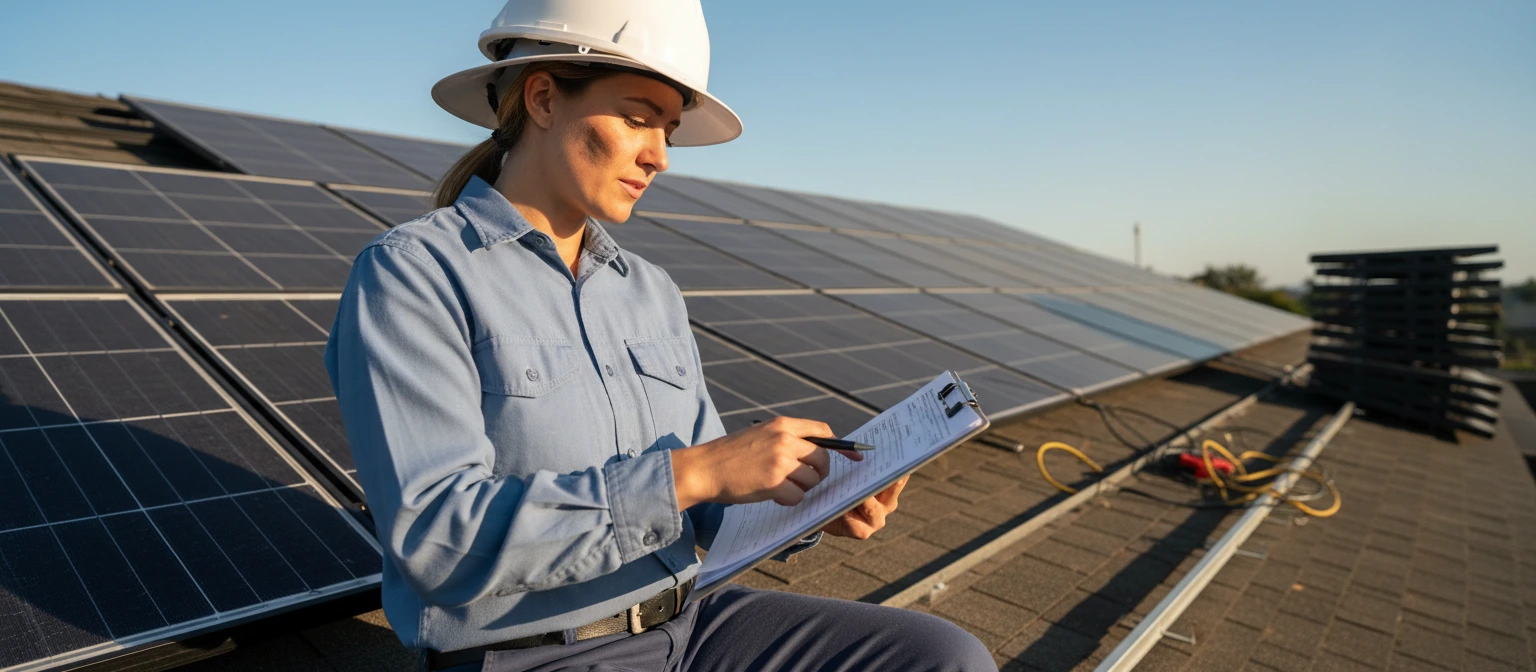
Choosing a qualified solar installer is one of the most important decisions you’ll make during the solar buying process. Before signing a contract, take time to verify that the company has the proper credentials and experience to install your system safely and correctly.
When evaluating an installer, look for:
- NABCEP certification: The North American Board of Certified Energy Practitioners (NABCEP) certification is widely recognized as one of the highest standards in the solar industry.
- State licensing and insurance: Make sure the installer meets your state’s licensing requirements and carries appropriate insurance.
- Manufacturer certifications: Many solar manufacturers certify installers who have completed product-specific training.
- Local experience: An installer with experience in your area is more likely to understand local building codes and permitting requirements.
Taking a few extra minutes to verify an installer’s qualifications can help ensure your solar investment is installed properly and supported for years to come.
2) Research Reviews & References
One of the best ways to evaluate a solar installer is by learning from other homeowners’ experiences.
When researching an installer, check reputable review platforms such as:
- Google Reviews to see overall ratings and recent customer experiences.
- EnergySage to compare verified installer reviews, quotes, and homeowner feedback.
- Better Business Bureau (BBB) to review the company’s accreditation and customer complaints.
- Yelp for additional customer reviews and local service experiences.
Don’t rely solely on star ratings. Take the time to read both positive and negative reviews to understand common themes, such as communication, installation quality, project timelines, and post-installation support. You can also ask the installer for references from recent customers if you’d like to hear firsthand about their experience.
3) Understand the Warranties
A solar system is a long-term investment, so it’s important to understand what is covered after your system is installed.
When reviewing a solar proposal, ask about these three types of warranties:
- Product Warranty: Covers the solar panels and other equipment against manufacturing defects. Coverage can extend for 25 years or more.
- Workmanship Warranty: Provided by the installer, covers the quality of the installation itself.
- Performance Warranty: Guarantees that the solar panels will continue to produce electricity at a specified level over time.
A reputable installer should clearly explain what each warranty covers, who is responsible for honoring it, and how warranty claims are handled. Understanding these details before you sign a contract can give you greater confidence in your investment for years to come.

4) Review your Options
Be sure to ask for at least two to three different quotes from different installers to get a fair idea of the costs and their corresponding services. Solar installations are less common than other home improvements so it’s important you educate yourself on the market.
5) Arrange a Home Visit
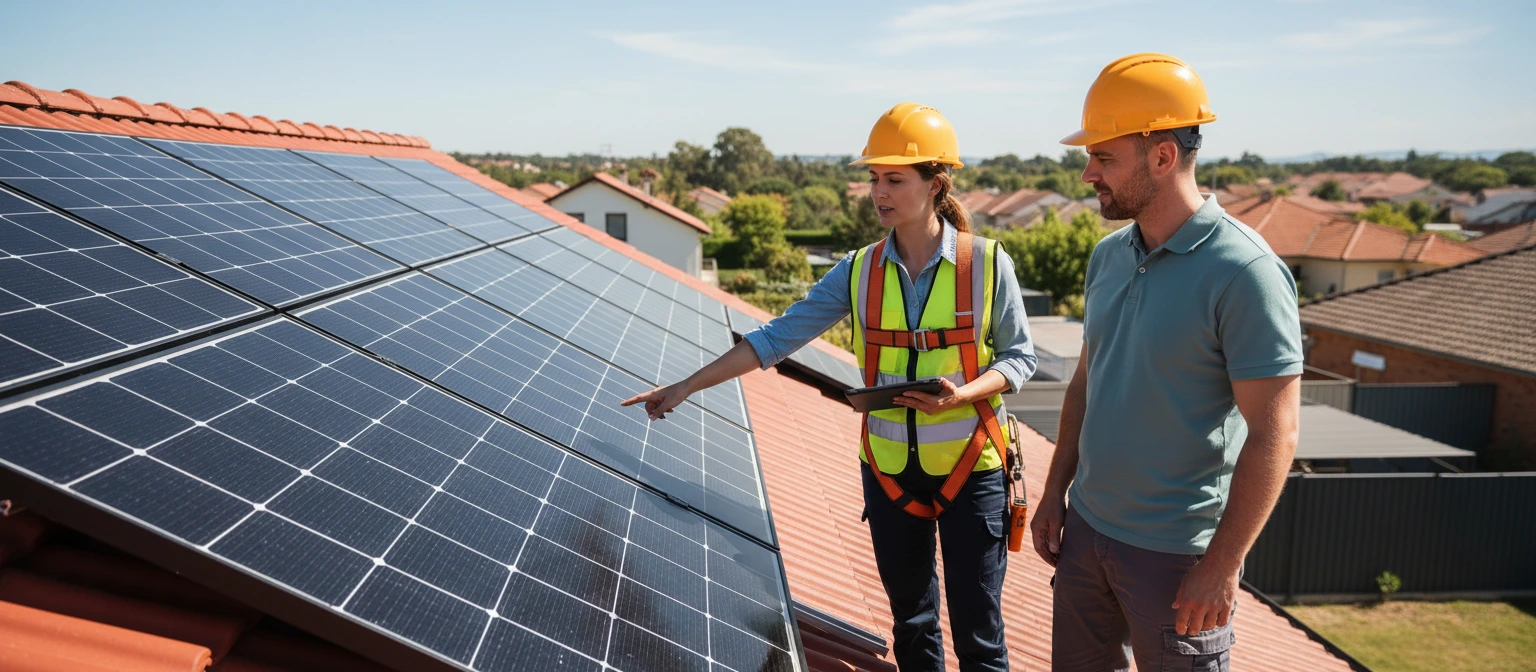
Any reputable installer will gladly provide an on-site consultation to give you a proper quote. Use this time to vet multiple vendors and get a sense of how they operate. Make sure they take the time to review the unique aspects of your home and the position of your roof and educate you on the technology as well as the regulations you can expect to deal with in your area.
6) Understand Your Financing Options
There are several ways to pay for a solar energy system, and the best option depends on your budget, long-term goals, and whether you want to own the system. Understanding your financing choices can help you compare proposals and make a more informed decision.
Common financing options include:
- Cash Purchase: Paying upfront typically provides the greatest long-term savings.
- Solar Loan: A loan allows you to own the system while spreading the cost over time.
- Solar Lease: You pay a fixed monthly fee to use the solar system while a third party owns and maintains it.
- Power Purchase Agreement (PPA): You pay for the electricity the system produces at an agreed-upon rate.
Before choosing a financing option, be sure to ask questions such as:
- What will my monthly payment be?
- What is the interest rate, if financing is involved?
- Are there any prepayment penalties or options to pay off the loan early?
- Who is eligible to claim available tax credits and other incentives?
A reputable solar installer should explain each financing option clearly, helping you understand the costs, benefits, and long-term financial impact so you can choose the solution that best fits your needs.
Conclusion
Choosing the right solar panel installers is a must to make the most out of your investment. Consider the tips above so that you can find a worthy team of solar installers to work with.
Trying to get a solar loan? EnFin offers residential solar financing as the lending partner for residential solar contractors and installers backed by QCells, the #1 solar manufacturer in the United States. Ask your installer if they work with EnFin.