
5 Factors to Consider if your Home is Ready for Solar Panels
Capturing the power of the sun and leveraging it to save on energy costs is now more achievable than ever. But understanding the exact impact of your investment and knowing what to prepare for if you install a system, is an important first step. Everyone’s situation is different so understanding your unique home factors will help you prepare for your own solar installation. Fortunately, you can perform your own research on solar panels and understand the impact they will have on your home by keeping these factors in mind.
Factor 1: Sun Exposure
One of the biggest factors in determining whether your home is a good fit for solar is how much direct sunlight your roof receives throughout the day. While solar panels can still produce electricity in cloudy weather, they perform best when they have consistent access to sunlight.
Take a look around your home and consider what might block the sun from reaching your roof, including:
- Large trees that cast shade throughout the day
- Nearby homes or buildings that block sunlight
- Chimneys, roof features, or other structures that create shade on your roof
Don’t assume your home isn’t a good candidate just because you don’t live in a sunny climate. Solar panels are installed successfully across the country – including areas with frequent clouds or seasonal weather. A professional solar installer can evaluate your roof’s sun exposure, identify any shading concerns, and estimate how much energy your system is expected to produce.
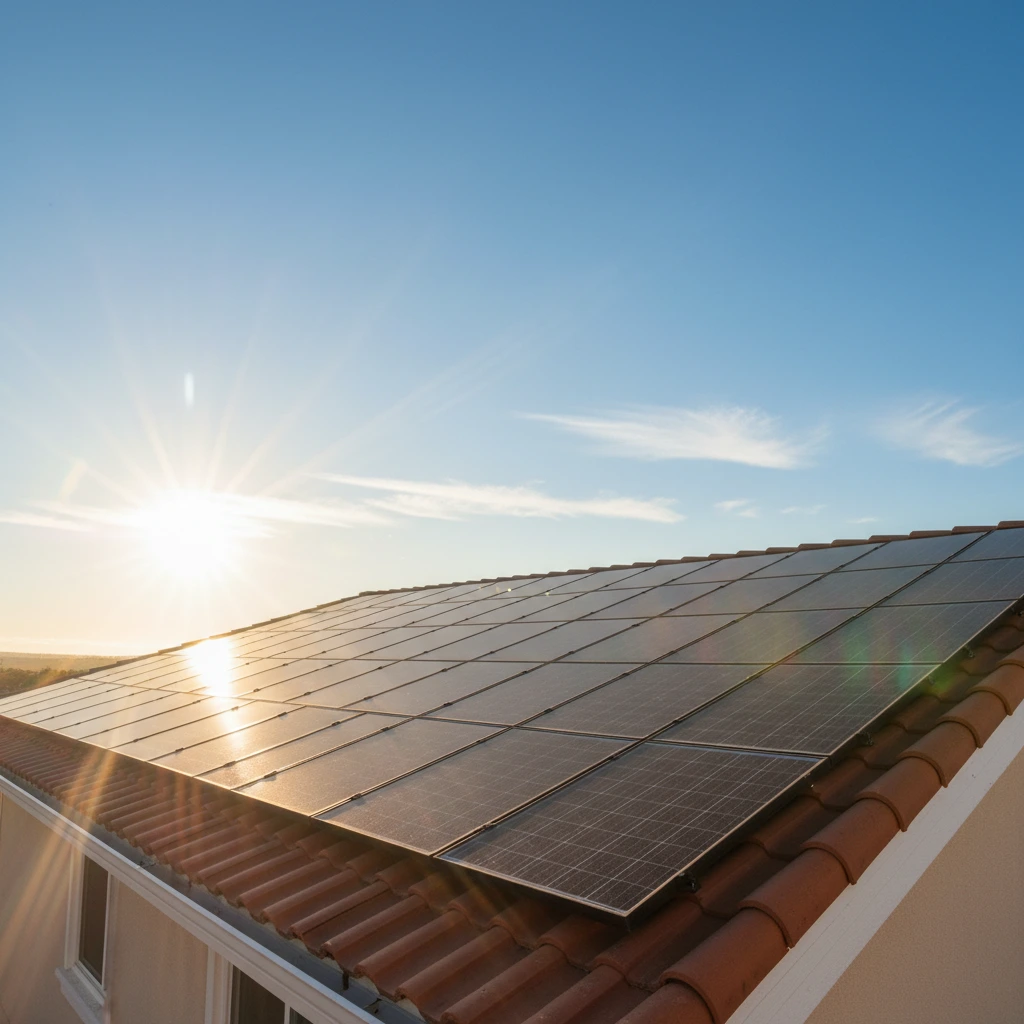
Factor 2: Roof Condition and Age
Your roof is the foundation of your solar system, so it’s important to make sure it’s in good condition before installing solar panels. Since solar panels are designed to last 25 years or more, you don’t want to install them on a roof that may need to be replaced in just a few years.
When evaluating your roof, consider the following:
- Current roof age: If your roof is relatively new or still has many years of life remaining, it may be ready for solar.
- Expected replacement timeline: If your roof will likely need replacement within the next 5-10 years, it may be more cost-effective to replace it before installing solar panels to avoid the added expense of removing and reinstalling the system later.
- Roof material: Most common roofing materials, such as asphalt shingles, are well-suited for solar installations. Some materials, like slate, wood shake, or clay tile, may require specialized installation methods or additional costs.
A qualified solar installer will inspect your roof as part of the evaluation process and help determine whether any repairs or replacement should be completed before moving forward with solar.
Factor 3: Available Roof Space
The amount of usable roof space you have plays a major role in determining the size of your solar system. A larger system can generate more electricity, but it also requires more available space for the panels.
Several factors help determine how much solar your roof can accommodate:
- Your energy usage: Homes with higher electricity consumption typically require larger solar systems to offset more of their energy bills.
- Roof layout: Features such as skylights, chimneys, vents, and multiple roof angles can reduce the amount of usable space available for solar panels.
- Available roof space: The more unobstructed roof area you have, the greater the potential system size and energy production.
A solar installer will evaluate your home’s energy usage alongside your roof’s layout and available space to design a system that best fits your needs and energy goals.
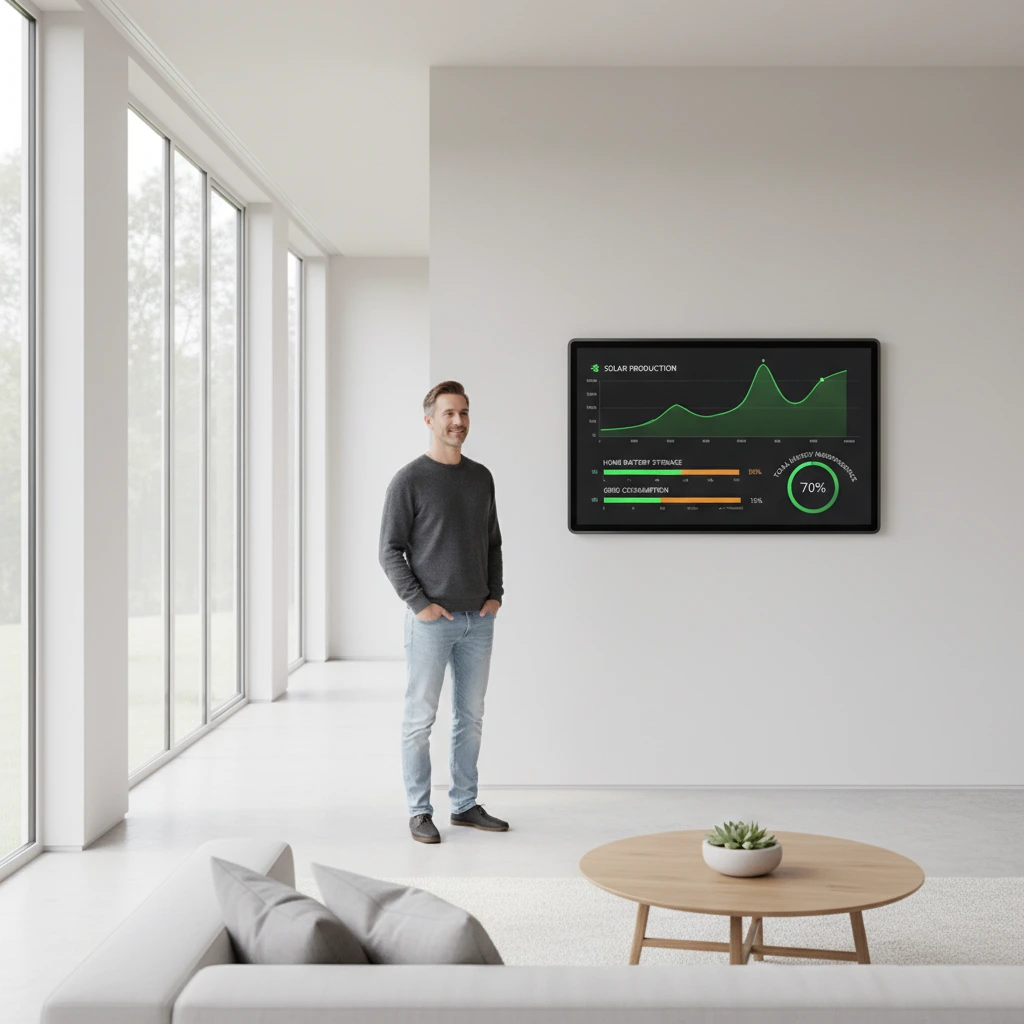
Factor 4: Energy Goals
Before investing in solar, it’s important to think about what you want your system to accomplish. Every homeowner has different priorities, and understanding your energy goals will help determine the right solar solution for your home.
Ask yourself questions like:
- Do you want to reduce your monthly electricity bills?
- Would you like battery backup to keep essential appliances running during a power outage?
- Are you planning to charge an electric vehicle (EV) at home?
- Is greater energy independence from the utility grid important to you?
Your answers can influence the size of your solar system and whether additional technologies, such as battery storage, make sense for your home. A qualified solar installer can help design a system that aligns with both your current energy needs and your future plans.
Factor 5: Incentives, Utility Rates, and Potential Savings
Financial incentives can significantly reduce the upfront cost of installing solar. Many homeowners may qualify for the Federal Residential Clean Energy Credit, which can help offset a portion of the cost of an eligible solar energy system. Because eligibility requirements and tax situations vary, it’s important to consult a qualified tax professional to understand which incentives may apply to you.
In addition to federal incentives, some states, local governments, utilities, and electric providers may offer rebates or other programs that can further reduce the cost of going solar.
It’s also important to understand your utility’s rate plan and how your utility credits excess solar energy. These factors can have a significant impact on your overall savings and the payback period of your system.
While solar can help reduce electricity costs for many homeowners, savings are not guaranteed. Actual results depend on factors such as your energy usage, system size, local weather, utility rates, and available incentive programs. A qualified solar installer can provide a customized estimate based on your home’s specific conditions.

Conclusion
These five factors will help you determine if your home is eligible for solar panels and the impact they will make. You can always talk to your local installer who will often perform a review of your home and give you an in-depth evaluation and potential project of your energy savings based on your local energy provider’s pricing.
Are you in need of financing options for solar panels ?
EnFin is here to make your solar-powered goals a reality.