
A Guide to Financing Solar Panels for Your Home
Now more than ever, homeowners are investing in renewable energy sources for their homes to save money and achieve energy independence. Like any major home improvement project, the prospect of finding vendors to make your solar system a reality can be intimidating, especially when it comes to financing. You should know that solar power can be financed in numerous ways, and various organizations are available to assist you in your endeavor. Here are three helpful tips for you to research as you consider solar for your home and financing your system.
1) Determine If Solar Power is Right For You
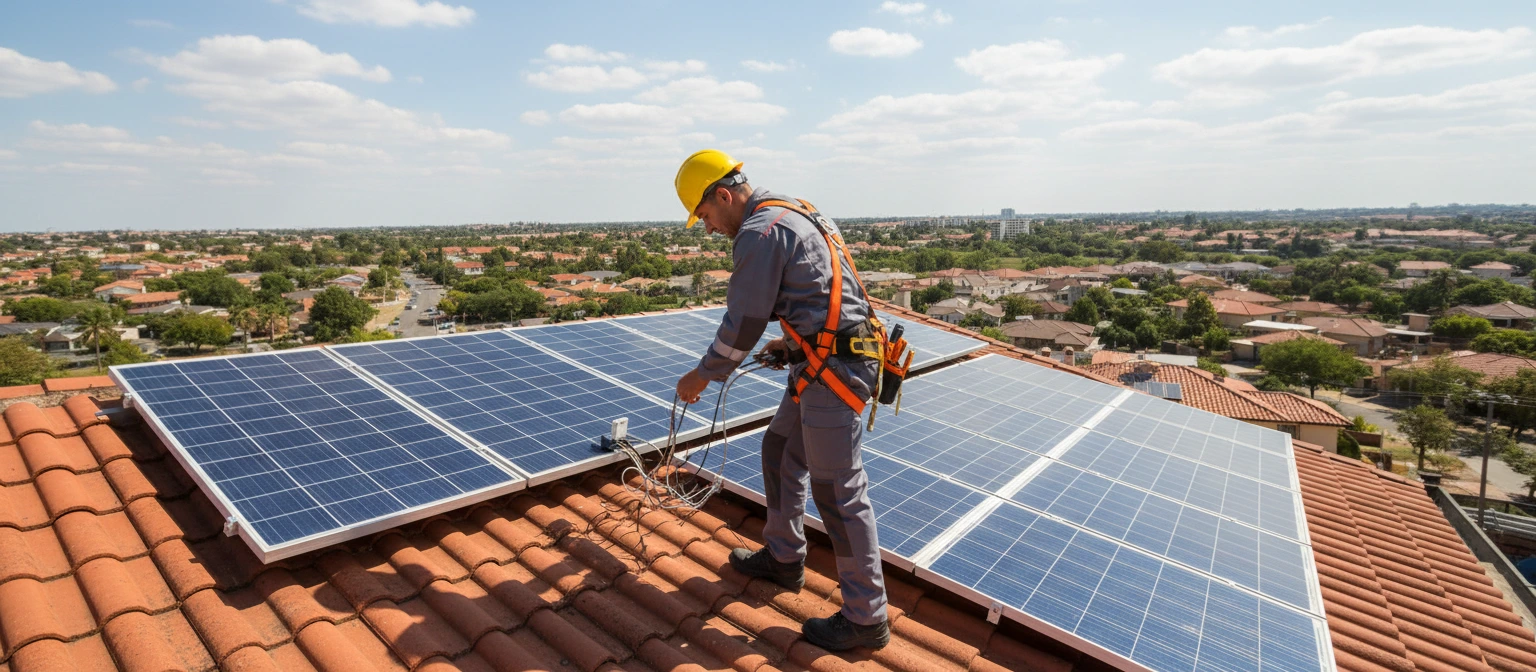
The first step in exploring solar energy is determining whether your home is a good candidate for installation. Factors such as roof condition, orientation, shading, and overall sun exposure all play an important role in system performance.
While the United States has enough installed solar capacity to power millions of homes, not every property is equally suited for rooftop solar. Homes with older roofs, significant shading, or limited sunlight exposure may not achieve optimal results. In some cases, this can be evaluated visually, but in others, it may be difficult to accurately assess annual solar potential without a professional evaluation. Consulting with qualified solar experts can help determine whether your home is a strong fit for solar and estimate expected system performance.
In addition to rooftop systems, community solar programs provide an alternative way to benefit from renewable energy. These programs allow homeowners, renters, and those who cannot install solar panels on their property to access solar energy through shared local solar farms. Participants typically receive credits on their electricity bills based on the energy produced by their share of the project, helping reduce overall utility costs without requiring on-site installation.
To learn more, explore available solar programs and options in your state.
2) Search for Solar in Your State
Once you’ve determined that solar may be a viable option for your home or property, the next step is to evaluate the costs and opportunities specific to your location. Where you live plays a major role not only in the amount of sunlight your system can generate, but also in electricity rates, permitting requirements, and other regulatory factors that can impact overall project cost.
In addition, many states and local governments offer incentives that can help reduce the upfront cost of going solar. These may include rebates, tax credits, or other programs designed to encourage renewable energy adoption. Understanding what is available in your area is essential to accurately estimating potential savings and your expected return on investment.
Because incentives, utility rates, and program requirements vary widely by region, it is important to review all available resources and work with professionals who understand the local solar landscape. Consulting with a solar-focused financing provider or experienced solar advisor can help you navigate available options and make a more informed decision about your investment.
3) Paying for the Solar Panels
Finding a credible installer who is certified in residential solar installation will be key in understanding the system your home can support and the expected output of that system. Your installer will also be able to quote you on the entire system so you know the costs and in many cases, they can recommend a lender they have worked with.
Discussing your options to finance solar panels is critical because every lender is different and how you pay for your system will greatly affect your return on investment. Like any loan, you need to consider the rates you are receiving, how easy it is to pay for your loan, and the credibility of your lender. If you are not going with a bank (which as we said, has its disadvantages) be careful with the lender you choose.

Conclusion
The number of available options may feel overwhelming at first, but choosing solar does not have to be complicated. As clean energy adoption continues to grow across the United States, the cost of solar technology has steadily decreased, making it more accessible to homeowners than ever before. While further policy progress can help improve solar access and equity, there are already many financing and third-party ownership (TPO) solutions available to support your transition to solar power.
A strong first step is partnering with a qualified, certified solar contractor who can assess your home, estimate project costs, and guide you toward appropriate financing or TPO options.
EnFin is a financing partner for residential solar contractors and builders, backed by Qcells, America’s #1 solar panel manufacturer.
If you’re exploring options for financing your home solar installation, contact us today to learn more.