
5 Benefits of Solar Energy for Your Home
The overwhelming demand for renewable energy continues to grow. Solar energy, one of the most popular renewable energy resources, is expected to be adopted by roughly 8 million households in the U.S. by 2030 — generating their own independent, cheap, reliable energy. Experts expect that the number will continue to rise every year. So what are all of the benefits of solar energy in homes? Here are five:
1. Lower Monthly Energy Bills
One of the biggest reasons homeowners choose solar is the opportunity to reduce their monthly electricity bills. By generating electricity from sunlight, your solar panels can help offset the amount of energy you need to purchase from your utility, lowering your ongoing energy costs.
In addition to monthly savings, solar can provide long-term value by helping protect against rising electricity rates. While utility prices may fluctuate over time, producing some of your own electricity can make your energy costs more predictable and help reduce your reliance on the grid. Savings depend on energy usage, system size, local weather, and your specific utility plan.
It’s important to note that installing solar does not guarantee savings. Actual savings depend on several factors, including your energy usage, system size, local weather, utility rate plan, and how your utility credits excess solar energy. Homeowners should also check with their utility provider to understand available solar programs, billing policies, and eligibility requirements that may affect overall savings.

2. Protection Against Rising Utility Rates
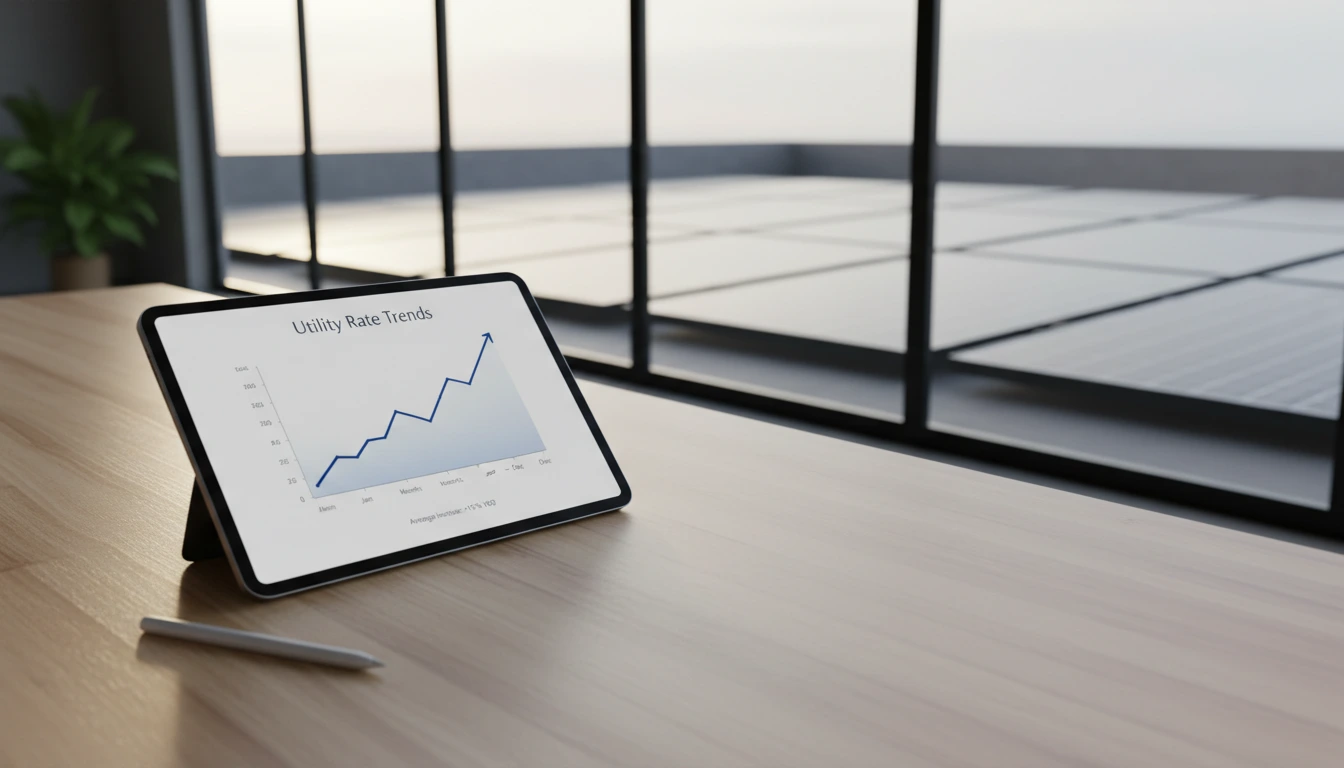
Electricity prices have generally increased over time, making energy costs more expensive for many homeowners. Installing solar can help reduce your reliance on utility-provided electricity by generating power from your own rooftop, which may help lower your exposure to future rate increases.
By producing a portion of your home’s electricity, solar can provide greater long-term financial predictability and help make monthly energy costs more manageable. While utility rates may continue to change, generating your own renewable energy can reduce the amount of electricity you need to purchase from the grid.
Available solar programs, net metering policies, and compensation for excess electricity vary by utility provider and location. Before investing in solar, homeowners should check with their utility company and a qualified solar installer to understand the programs, billing policies, and eligibility requirements that may apply in their area.
3. Greater Energy Resilience
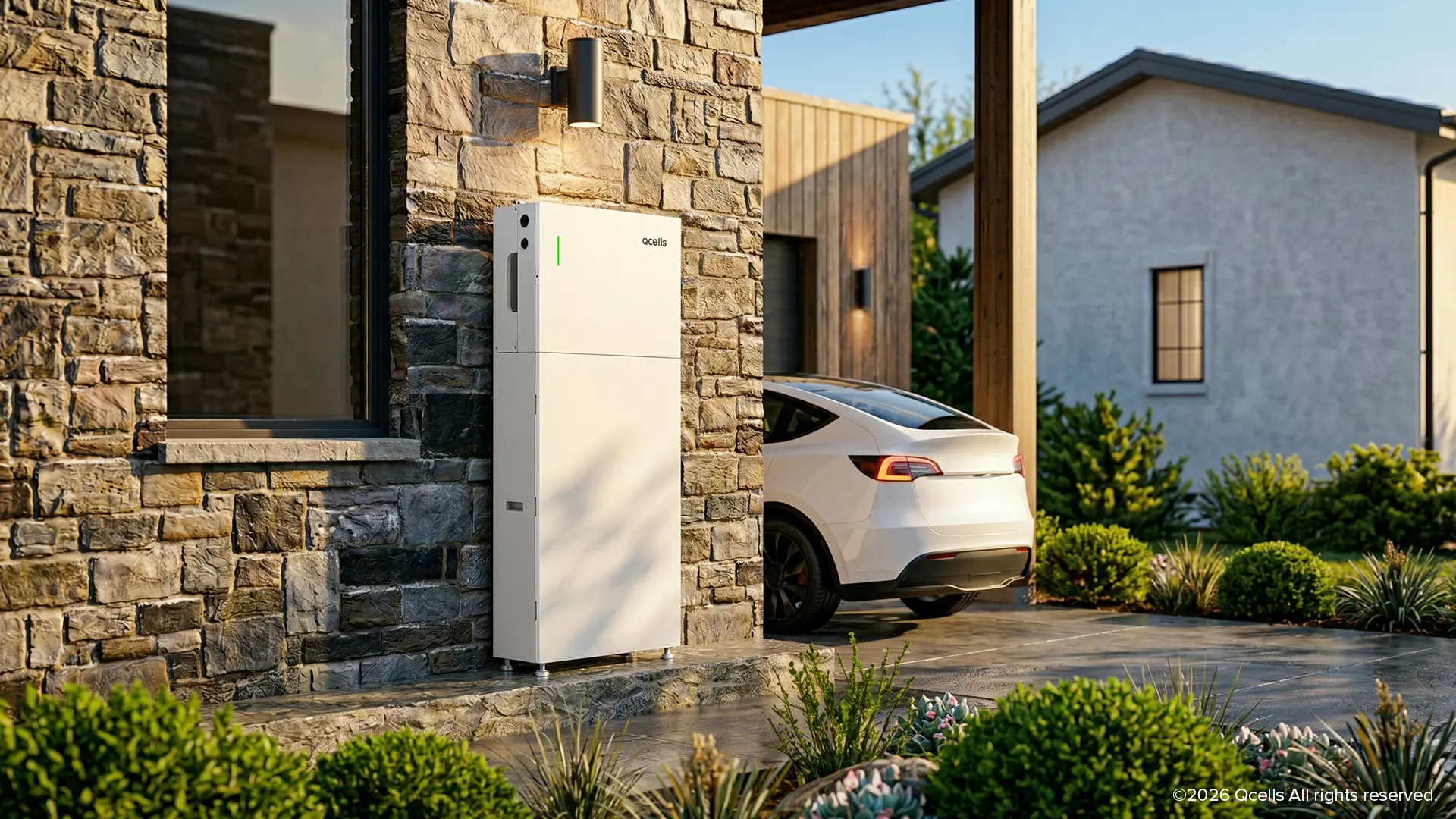
Many homeowners are choosing to pair their solar systems with battery storage to improve their home’s energy resilience. A battery can store excess solar energy generated during the day and make it available when it’s needed most, such as during the evening or in the event of certain power outages.
Benefits of adding battery storage may include:
- Backup power: Keep selected appliances and essential circuits running during qualifying power outages, depending on your system’s design.
- Reduced reliance on the grid: Store and use more of the solar energy your home generates instead of relying solely on utility-provided electricity.
- Greater energy flexibility: Use stored energy during periods of high electricity rates or when solar production is lower.
It’s important to note that not all solar energy systems automatically provide backup power during an outage. In most cases, a battery energy storage system and the appropriate equipment are required for a home to continue receiving power when the grid is unavailable. A qualified solar installer can help determine whether battery storage is the right solution for your energy needs.
4. Potential Increase in Home Value
Installing a solar energy system may increase your home’s appeal to prospective buyers. As more homeowners look for energy-efficient features and opportunities to reduce long-term electricity costs, homes with solar can stand out in a competitive real estate market.
Potential benefits include:
- Improved marketability: Energy-efficient homes with solar may attract buyers looking for lower ongoing energy expenses.
- Growing buyer demand: As awareness of renewable energy continues to grow, many homebuyers view solar as a desirable home feature.
- Potential resale value: Depending on the local real estate market, system ownership, and other factors, an owned solar energy system may contribute to a home’s resale value.
The impact of solar on home value varies based on factors such as location, the age and condition of the system, local market conditions, and whether the system is owned or leased. A qualified real estate professional can provide guidance on how solar may influence home value in your area.

5. The Environmental Impact
One of the obvious reasons people are adding solar energy to their homes is the positive impact it makes on the environment. In addition to all of the benefits discussed here, the idea of reducing one’s own environmental footprint is rising in popularity, and for good reason.
The untapped power of the sun that can now be captured in such an affordable and relatively clean way means that households are able to make a direct, positive contribution to a healthier and cooler environment.

Conclusion
Solar energy can help homeowners reduce electricity costs, gain greater control over their energy use, and prepare for a future of rising utility rates. While every home’s energy needs are different, a properly designed solar system can provide long-term value and support your financial, environmental, and energy goals.
Whether you’re looking to lower your monthly utility bills, improve your home’s energy resilience with battery storage, or reduce your environmental impact, solar can be a worthwhile long-term investment when paired with the right system design and financing solution.
Interested in Exploring Solar Financing Options?
Trying to get a solar loan? EnFin offers residential solar financing as the lending partner for residential solar contractors and installers backed by QCells, the #1 solar manufacturer in the United States. Ask your installer if they work with EnFin.